 10 out of 10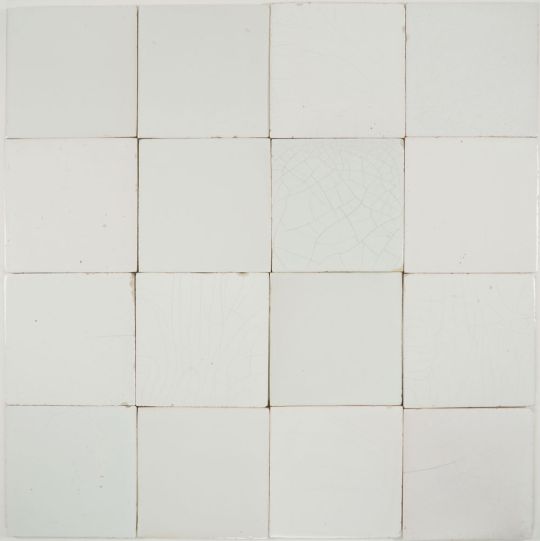

Overview
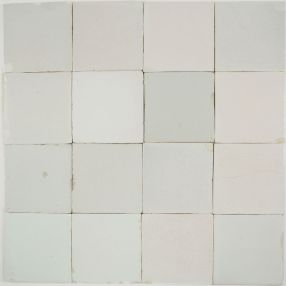
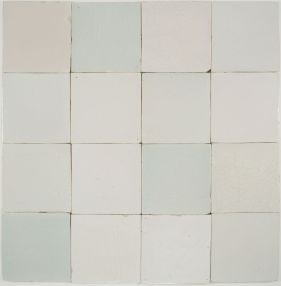
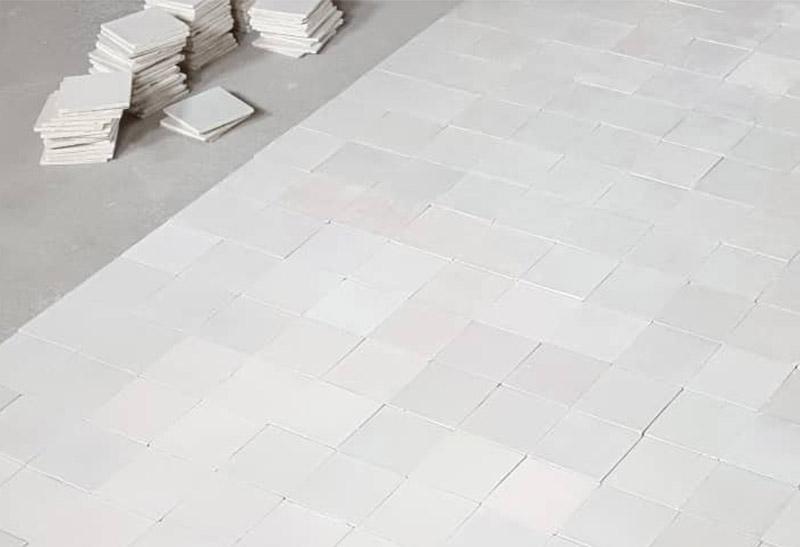
These plain white Delft wall tiles, known as witjes, were made around 1900, at a time when production was shifting from fully handmade to more mechanised methods. That transition gives them a subtly more industrial look: a smoother surface, a brighter white, and greater consistency in size and shade compared to earlier witjes. Historically used in kitchens, halls, fireplaces and bathrooms, they remain a timeless choice today for both restorations and refined contemporary interiors. Where a calm, more uniform field is desired, or a complementing tile for decorated Delft tiles dating from this time period, these c. 1900 witjes are an excellent match.
Condition and preparation
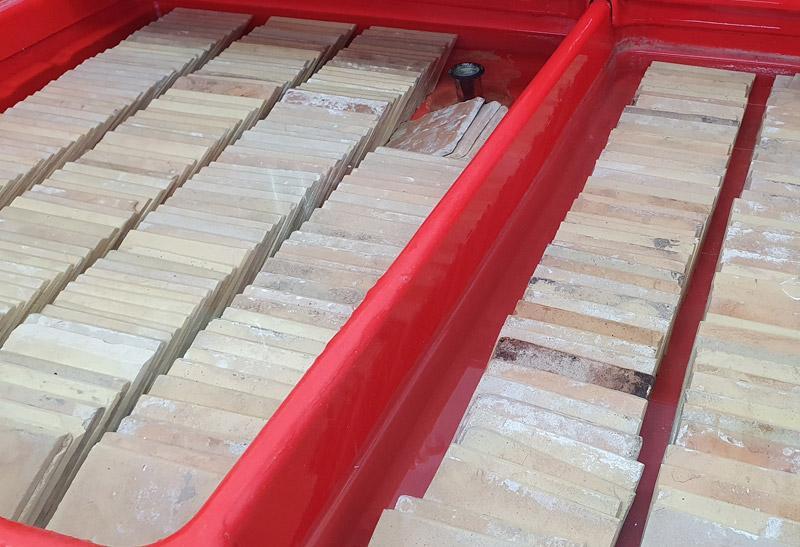
Each tile is carefully cleaned, desalinated and freed of soot, fully prepared for direct reuse. Selections are hand-curated to suit your project, from more balanced to slightly varied in tone, always within the natural limits of antique stock. If cut tiles are required, we can supply pieces with more visible wear at a reduced rate to preserve intact examples.
Tile variety and stock
We maintain a substantial yet fluctuating stock of c. 1900 witjes. While these tiles are generally more consistent than earlier pieces, modest differences in tone and surface will occur between batches. We can curate towards preferred ranges or to complement decorated tiles, within reasonable limits. Smaller selections are easier to balance; as quantities increase, expect a bit more tonal diversity. For larger installations, early contact is recommended.
Tile size
Each tile measures about 13 × 13 cm (5.1” × 5.1”) and is roughly 7–8 mm (0.3”) thick. Compared to earlier witjes, c. 1900 tiles are typically more consistent in size, though small differences remain part of their authentic character.
A downloadable installation guide is available soon, explaining how to handle size differences and other practical details during installation.
How to order
You can request a quote directly on this page or contact us for assistance with selection and layout. With decades of expertise in antique Delft tiles, our specialists will help you choose the right tones and quantities for your project.
Samples
Samples can be provided on request to review tone, glaze and surface before placing an order.
Product disclaimer
Due to their age and production method, tiles show natural variations in tone, glaze and size. While we cannot offer a 100% guarantee, each tile has been carefully prepared to the highest possible standard and meets our quality requirements.
Alternative tiles
- Plain white Classic, 1st quality | 18th / 19th century
- Plain white Classic, 2nd quality | 18th / 19th century
- Plain white, Utrecht | 18th / 19th century
Visit our 'Projects' and 'Scrapbook' for more inspiration!
Buyers information
Specifications
| Inventory number | WTS 6 |
|---|---|
| Tile type | Wall tile |
| Century | 19th century, 20th century |
| Made in | the Netherlands |
| Quantity indication (pcs) | 1000+ |
| Size per tile (approx.) | 13 by 13 cm's / 5.1" by 5.1" |
| Tile thickness (approx.) | 0,7 to 0,8 cm's / 0.3" |
| Quantity per M2 / SF | 60 tiles per m2 / 5.5 tiles per SF |
| Suitable for | Walls, kitchens, backsplashes, ceilings, fireplace surrounds, fireplace interior (when not exposed to open fire), bathrooms. |
| Not suitable for | Floors, open fire, outdoors, wet rooms (shower walls etc.) and swimming pools. |
| Sealer | The tiles do not require a sealer from a functionality perspective. |
| VAT and/or Import duties | Antique tiles are sold within the margin scheme within the Europe Union. Antique tiles that are ordered from outside the European are often imported at a special rate (e.g. 5% UK). |
About Regts - Delft Tiles
We are a family firm specialized in Delft tiles. Our stock covers the entire production period, which started around 1570 and ended just after 1900. If you are interested in working with us, please always feel free to get in touch.About usContact us